Medical Acupuncture for Chronic Pain
Medical acupuncture uses ultra-thin sterile needles inserted at clinically mapped anatomical acupoints to interrupt pain signals, suppress neuroinflammation, and activate the body's endogenous opioid system — delivering drug-free, evidence-based relief for chronic pain, anxiety, digestive disorders, and more. At NYC Pain Management, every acupuncture protocol is physician-supervised, personalized to your diagnosis, and fully integrated with your existing treatment plan for maximum, lasting outcomes.
Medical acupuncture at NYC Pain Management uses sterile, ultra-fine needles to stimulate specific neural and myofascial trigger points — modulating pain signals, reducing neuroinflammation, and activating the body's endogenous opioid system for drug-free, evidence-based chronic pain relief.
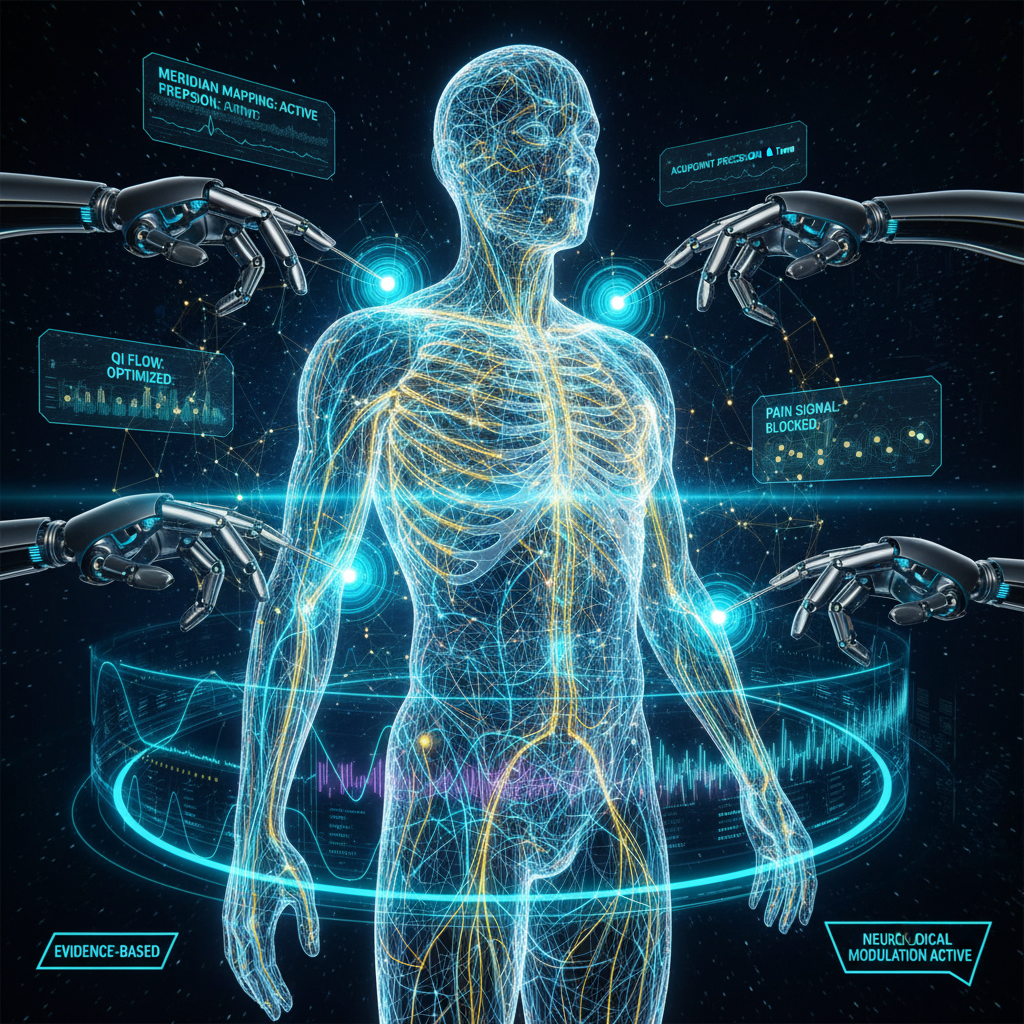
How Does Acupuncture Work Step by Step?
Modern neuroimaging confirms that acupuncture produces measurable changes in brain activity, neurotransmitter levels, and inflammatory markers. Here is exactly what happens during and after your treatment.
Comprehensive Pain Mapping
Your physician conducts a detailed evaluation — reviewing imaging, nerve conduction studies, and pain history — to identify the precise acupoints and meridian pathways most relevant to your diagnosis.
Sterile Needle Placement
Ultra-thin, single-use sterile needles (0.16–0.30mm diameter) are inserted at targeted acupoints. Most patients feel only a brief sensation of mild pressure or warmth — followed by immediate relaxation.
Neural & Biochemical Activation
Needle stimulation triggers endorphin release, activates the cholinergic anti-inflammatory pathway, and modulates pain signals at the spinal cord level — producing measurable analgesia within minutes.
Recovery & Cumulative Optimization
Patients return to normal activity immediately. Each subsequent session builds on the last — progressively retraining central sensitization pathways and extending the duration of pain relief.
Endogenous Opioid Release
Needle insertion at specific acupoints triggers the release of endorphins, enkephalins, and dynorphins — the body's natural painkillers. fMRI studies confirm measurable deactivation of pain-processing regions in the anterior cingulate cortex and thalamus, producing analgesia comparable to low-dose opioid medications — without addiction risk or systemic side effects.
Anti-Inflammatory Cascade
Acupuncture activates the cholinergic anti-inflammatory pathway, suppressing pro-inflammatory cytokines (IL-1β, TNF-α) at both local tissue and systemic levels — directly targeting the neuroinflammation that sustains chronic pain cycles.
Gate Control Modulation
Needle stimulation activates large-diameter Aβ nerve fibers that "close the gate" on pain signals transmitted by smaller C-fibers — interrupting the chronic pain cycle at the spinal cord level before signals reach the brain.
Myofascial Trigger Point Release
Dry needling of myofascial trigger points produces a local twitch response that releases contracted muscle bands, restores microcirculation, and normalizes the biochemical environment of ischemic tissue — directly resolving the source of referred pain in fibromyalgia, myofascial pain syndrome, and post-surgical adhesion pain.
Acupuncture Features & Process
Every aspect of your acupuncture experience at NYC Pain Management is designed for precision, safety, and measurable clinical results.
Precision Acupoint Targeting
Ultra-thin sterile needles are placed at exact anatomical acupoints identified through clinical assessment — activating specific neural and myofascial pathways for targeted therapeutic effect with sub-millimeter accuracy.
Efficient 20-Minute Sessions
Each treatment session is completed in approximately 20 minutes — delivering meaningful therapeutic benefit with no recovery time and no disruption to your daily schedule.
Individualized Treatment Protocols
Every acupuncture plan is custom-designed around your specific diagnosis, pain history, and therapeutic goals — no generic templates, no one-size-fits-all approach.
Board-Certified Physician Oversight
Every session is administered by licensed practitioners under direct supervision of board-certified pain management physicians — ensuring clinical accuracy and patient safety at every step.
Fully Integrated Multimodal Care
Acupuncture is coordinated alongside spinal injections, PRP therapy, chiropractic adjustments, and physical therapy — creating a unified, synergistic treatment plan for superior outcomes.
WHO & NIH Evidence-Based Standards
Our protocols align with World Health Organization and NIH consensus guidelines — ensuring every treatment decision is grounded in peer-reviewed clinical evidence and internationally recognized best practices.
Zero Downtime — Return Same Day
Patients resume normal daily activities immediately after each session — no restrictions, no recovery period, no post-procedure limitations of any kind.
Non-Opioid Endogenous Pain Modulation
Acupuncture activates the body's own endorphin and enkephalin systems — reducing reliance on opioids, NSAIDs, and corticosteroid injections without systemic side effects.
Why Choose Acupuncture for Pain Management?
Acupuncture delivers a broad spectrum of clinically documented benefits — from targeted pain relief to systemic health improvements. Over 3 million Americans use acupuncture annually, and its adoption is accelerating as physicians seek safer, non-opioid alternatives for chronic pain management.
The World Health Organization officially recognizes acupuncture as an effective treatment for blood pressure regulation, arthritis, morning sickness, dental pain, labor induction, and stroke risk reduction — across more than a dozen distinct clinical indications.
The National Institutes of Health endorses acupuncture for postoperative pain, chemotherapy-induced nausea, adult postoperative and chemotherapy nausea and vomiting, and as an adjunct therapy for addiction, stroke rehabilitation, headache, and low back pain.
What Pain Conditions Does Acupuncture Treat?
Our acupuncture program is indicated for a broad spectrum of acute and chronic conditions. All diagnoses below are supported by peer-reviewed clinical evidence and endorsed by major medical organizations including the NIH, WHO, and the American College of Physicians.
Check Your EligibilityAcupuncture FAQ
Answers to the most common questions about medical acupuncture — from how it works and what conditions it treats, to session length, insurance coverage, and how many visits you will need.
Acupuncture stimulates precise anatomical acupoints with ultra-thin sterile needles, triggering the release of endorphins, enkephalins, and dynorphins — the body's natural pain-modulating compounds. It simultaneously activates the cholinergic anti-inflammatory pathway, reducing pro-inflammatory cytokines (IL-1β, TNF-α) that drive neuroinflammation. Modern fMRI studies confirm measurable deactivation of pain-processing regions in the anterior cingulate cortex and thalamus, producing analgesia comparable to low-dose opioids — without addiction risk.
Acupuncture is largely painless. Most patients report a brief sensation of mild pressure, warmth, or a dull ache at the needle site — followed by deep relaxation. The needles used are far thinner than standard hypodermic needles (about the width of a human hair). Many patients fall asleep during treatment. Any discomfort is minimal and transient.
A standard acupuncture session at our Manhattan clinic lasts approximately 20 minutes. Your personalized treatment plan — including session frequency and total course length — is determined during your initial evaluation based on your diagnosis, pain history, and therapeutic goals.
Acupuncture is clinically effective for chronic back and neck pain, migraines, sciatica, fibromyalgia, osteoarthritis, neuropathic pain, anxiety, stress, digestive disorders, infertility, and menstrual discomfort. The World Health Organization recognizes it for blood pressure regulation, arthritis, morning sickness, dental pain, and stroke risk reduction. The NIH also endorses it for postoperative and chemotherapy-related nausea.
Yes — acupuncture is a complementary therapy that integrates safely with epidural injections, radiofrequency ablation, PRP therapy, spinal cord stimulation, physical therapy, and chiropractic care. Our physicians coordinate your complete treatment plan to maximize outcomes and reduce dependence on opioid and non-opioid medications.
Many major insurance plans now cover acupuncture for chronic low back pain following updated CMS guidelines. Workers' compensation and no-fault auto insurance plans frequently cover acupuncture as well. Our billing team verifies your specific coverage before your first appointment so there are no surprises.
Treatment duration varies by individual and condition. Some patients experience significant relief after a single visit; others benefit from one to two sessions per week over several months. Most patients see measurable improvement within 4–6 sessions, with a full initial course spanning 8–12 sessions over 4–6 weeks. Your physician will reassess your response and adjust the plan accordingly.
All acupuncture treatments are administered by licensed practitioners trained in both Western medical diagnostics and traditional acupuncture technique. Every treatment plan is physician-supervised by board-certified pain management specialists and tailored to your specific diagnosis and pain profile.
Medical acupuncture integrates classical acupoint theory with modern neuroanatomy, physiology, and evidence-based clinical protocols. Practitioners at NYC Pain Management apply Western diagnostic frameworks — including imaging, nerve conduction studies, and pain mapping — to identify optimal needle placement sites, ensuring treatments are grounded in both traditional meridian theory and contemporary neuroscience.
Ready to Start Your Acupuncture Treatment?
Our board-certified pain specialists will evaluate your condition and design a personalized acupuncture protocol — integrated with your full pain management plan for maximum, lasting results.